David J. Brooks – Cubist and Modern Art

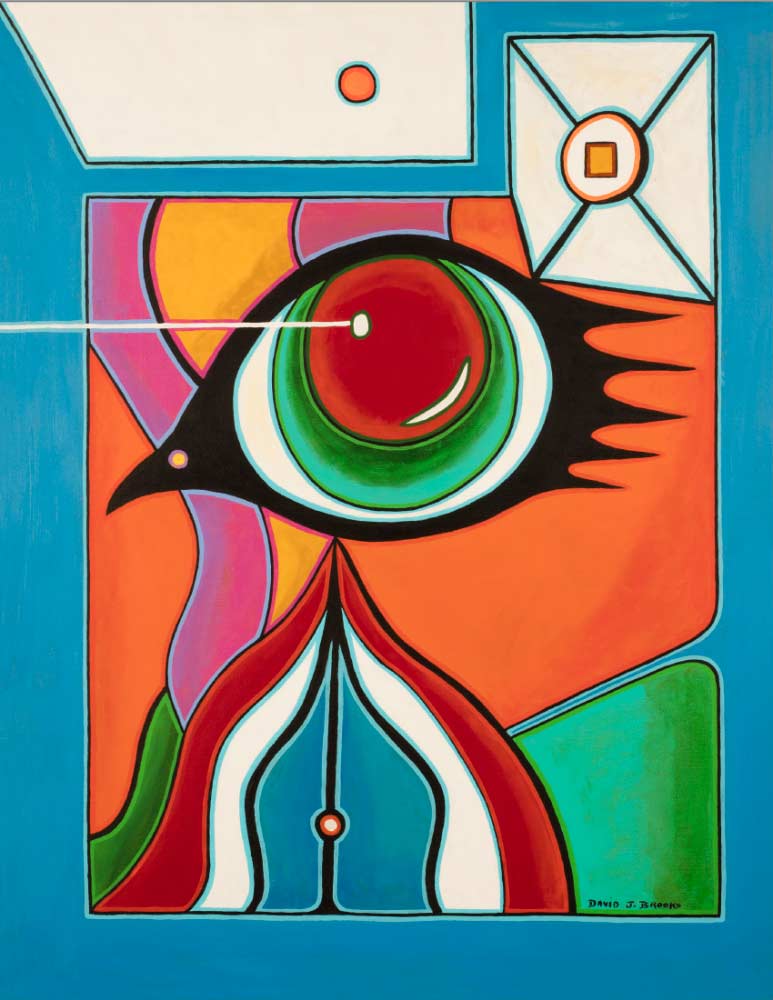
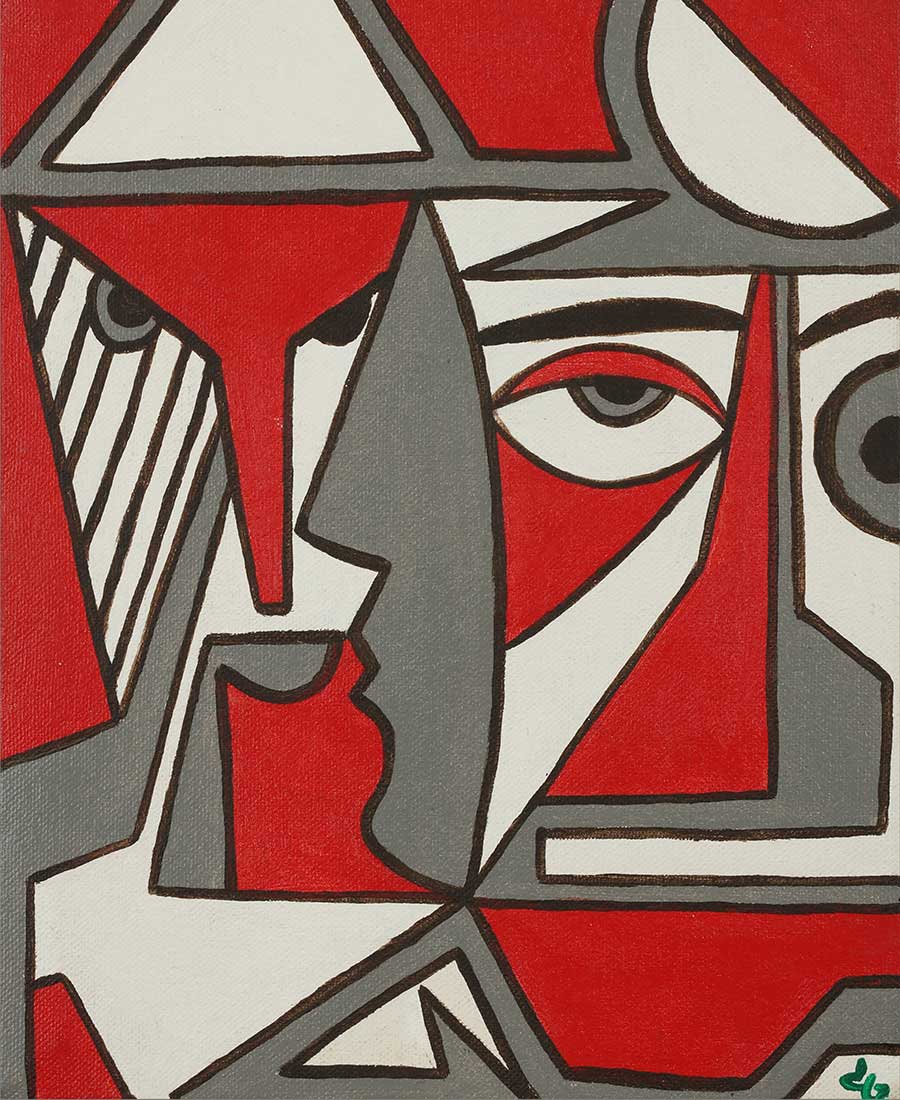
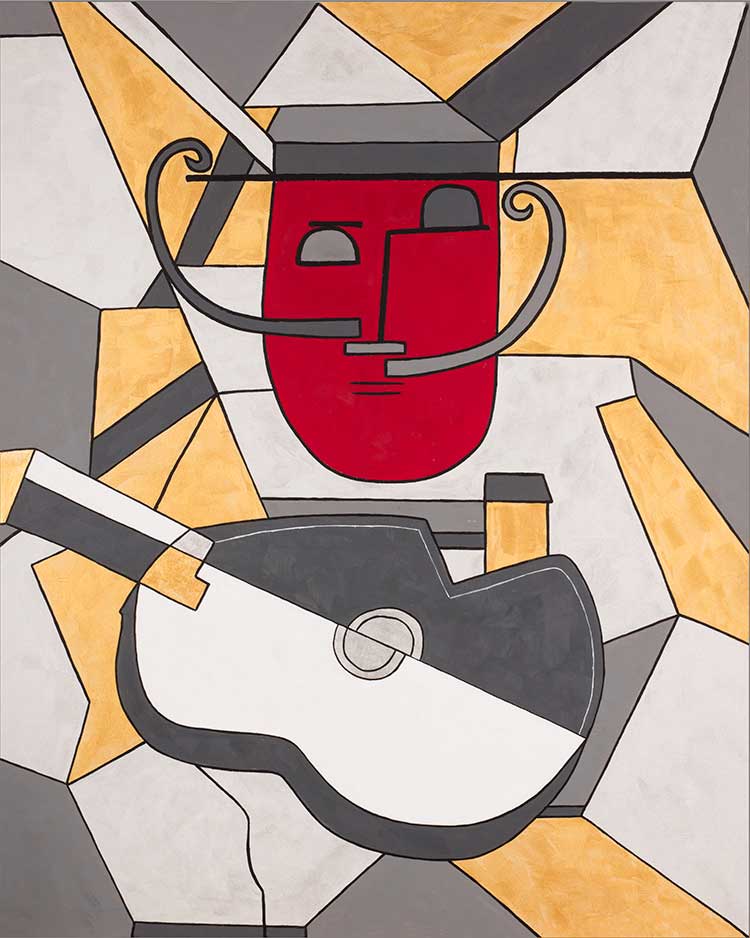
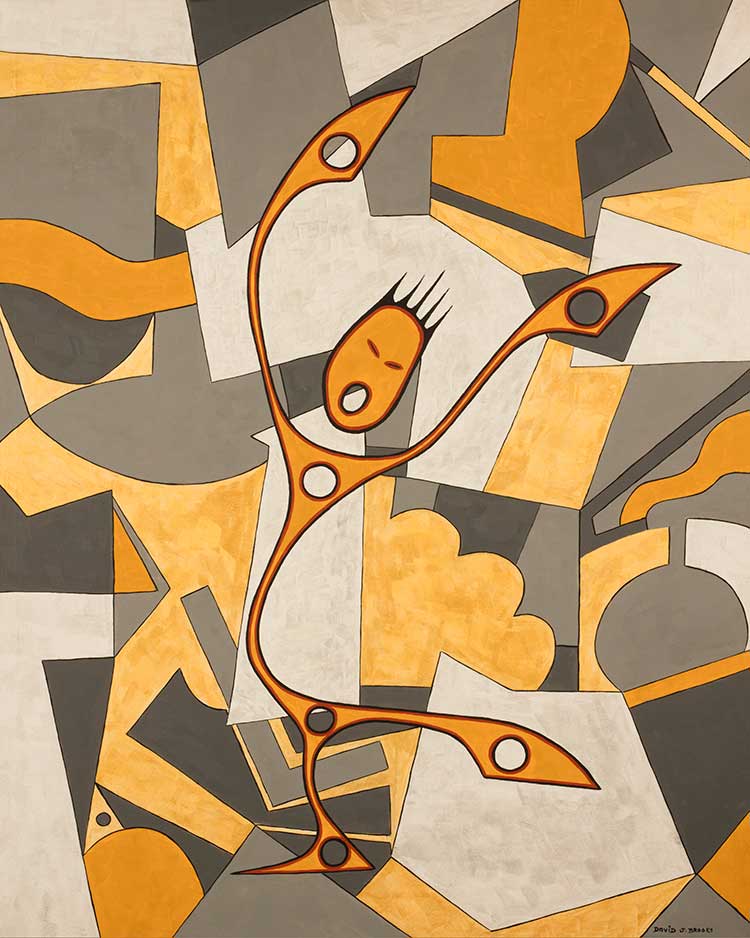
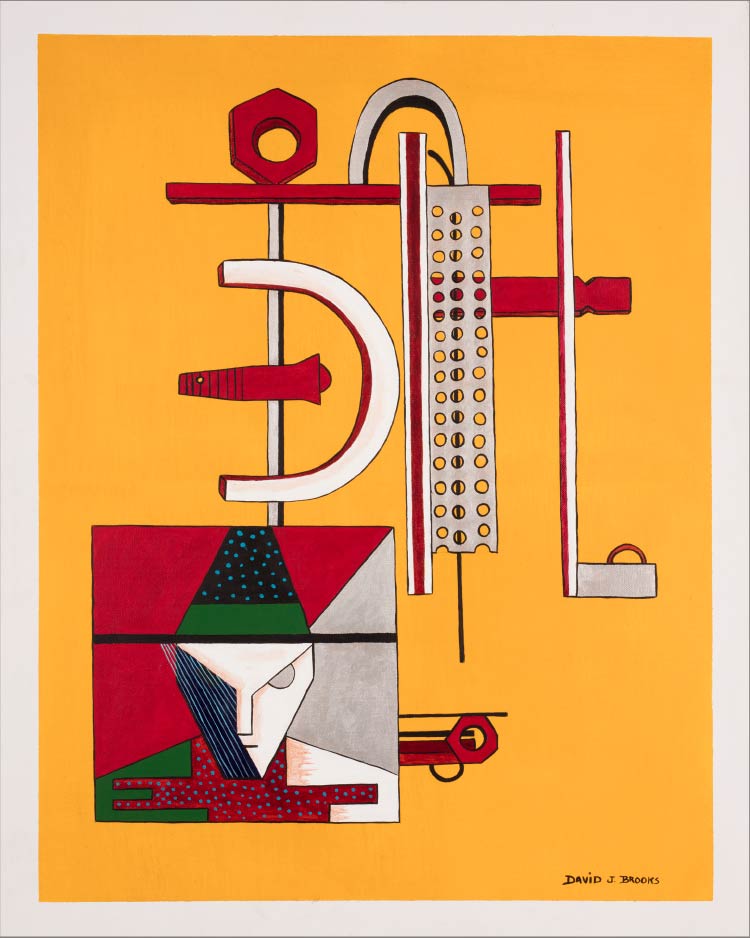
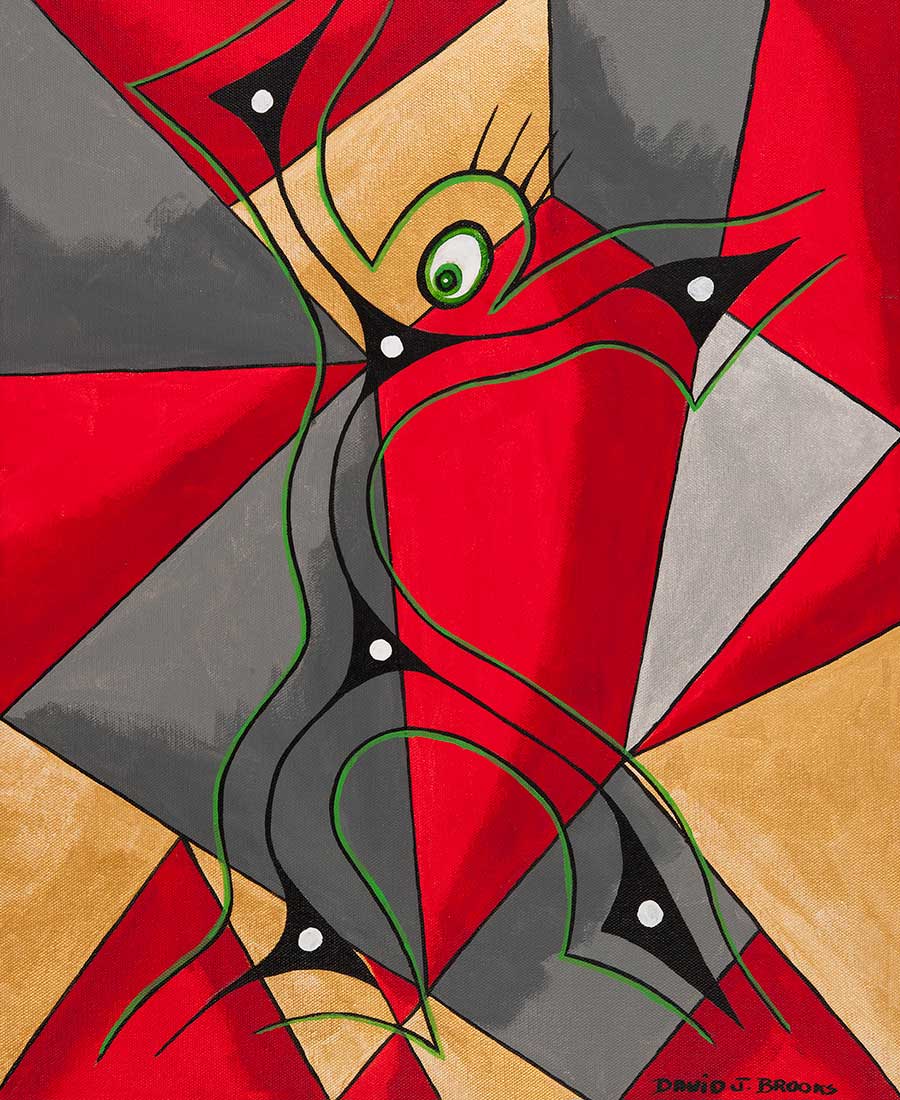
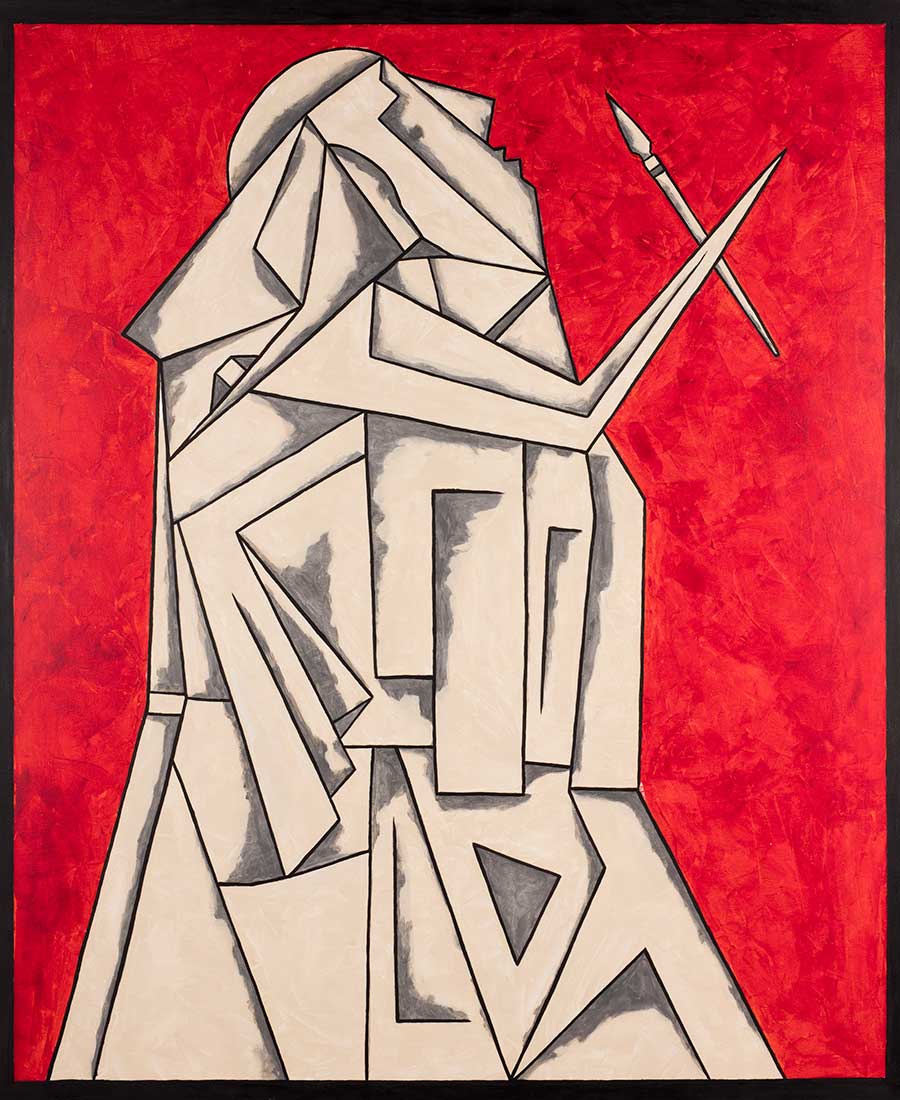
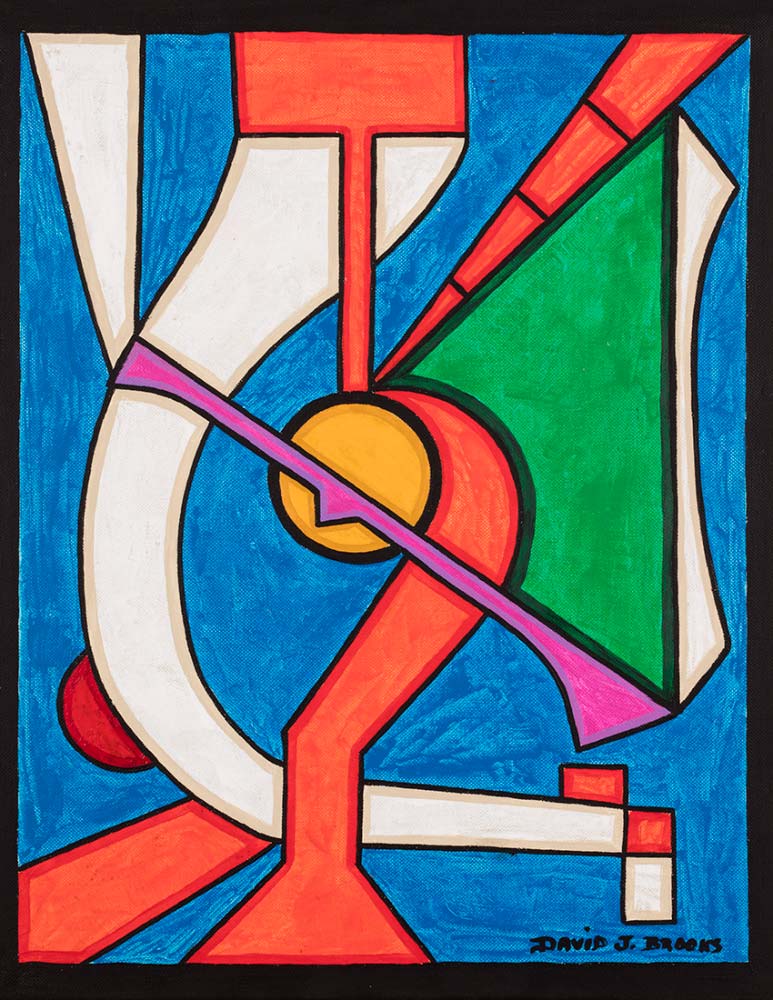
During the final years of his life, Mi’kmaq artist David J. Brooks developed a distinctly modern style characterized by geometric forms, layered faces, vivid colour, and imaginative figures. These works marked a dramatic departure from the traditional and Woodland-influenced paintings for which he had previously been known.

This page presents a selection of David’s cubist-influenced and modern paintings. His earlier traditional works are featured separately on the David J. Brooks Traditional Art page.

About David J. Brooks

Portrait of David J. Brooks, Indigenous artist featured by Friends United.

1950–2014

David was born August 1950 in Truro, Nova Scotia. He was raised and lived in Indian Brook, Nova Scotia. Both of his parents were gifted Mi’kmaq artists. His mother was gifted with making birch bark flowers. His father was gifted also and was a great carver. David didn’t take art seriously until he resided in Toronto in the early 1980s and met New Brunswick artist Phillip Young, who had studied at Vesper George School of Art and at the School of the Museum of Fine Arts. Both exhibited eventually in Canada and the U.S. In Toronto, Young watched Brooks do a little painting of a girl sitting down and burning sweet grass in a bowl with elders’ faces in the smoke. Phillip liked the painting and inquired: ‘Where did you go to art classes?’ He purchased Brooks’s painting and showed him, amongst other things, how to stretch canvases. David J. Brooks started to meet other native artists in Toronto and they began to paint. There was one big melting pot of native artists and each one had something to contribute. The style he chose was Ojibwa, because it is Eastern Woodland. What eventually influenced him were primarily Woodland and Haida style. He was not of Haida origin, but he recall what the Haida taught him. In 2008 David Brooks and Rolf Bouman met for the first time. David had almost stopped painting as he was discouraged by the conduct of many galleries who did not pay him fairly or at all. Rolf encouraged him to paint full time again, as he did until he passed away. Approximately 3 years prior to his death David developed a completely different and modern style, which is very unique and Rolf Bouman encouraged him to do so by purchasing all paintings, which David produced. David Brooks passed away on May 23, 2014. Before he passed away in 2014, he was an active artist/member of the Friends United initiative. David was a truly passionate Artist who loved his profession.

(Some Exhibitions Throughout David’s Early Years)

1984: Black Stone Gallery, Toronto Ontario
1984: Accent Gallery, Ottawa Ontario
1985: Atlantic Region Indian Art Juried Exhibition, Manuge Gallery
1986: Manuge Gallery, Halifax Nova Scotia
1987: Maritime Native Artisans Cooperative, HalifaxNova Scotia
1987: Painting For Public Works Canada (poster)
1990: Street Smart Art, Gottingen Street Halifax Nova Scotia
1990: Spirit Worlds,Sandra Carter Gallery, Halifax Nova Scotia
1990: 2 Murals On Front Of Mic Mac Friendship Centre, Gottingen Street Halifax Nova Scotia
1991: Painting For Statistics Canada
1991: Murals For Indian Brook Community Centre

David was the first Mi’kmaq Artist to have his artwork collected by The Art Gallery of Nova Scotia. One of David’s paintings is the logo for Treaty Education. Some of David’s art is featured as permanent display at the Art Gallery of Nova Scotia.

David has done numerous other art projects throughout his life, he was also a sculptor/carver. He carved different kinds of rock and wood, along with antlers. David’s art was also displayed on the covers of Mi’kmaq History Books.

Cubist and Modern Paintings by David J. Brooks

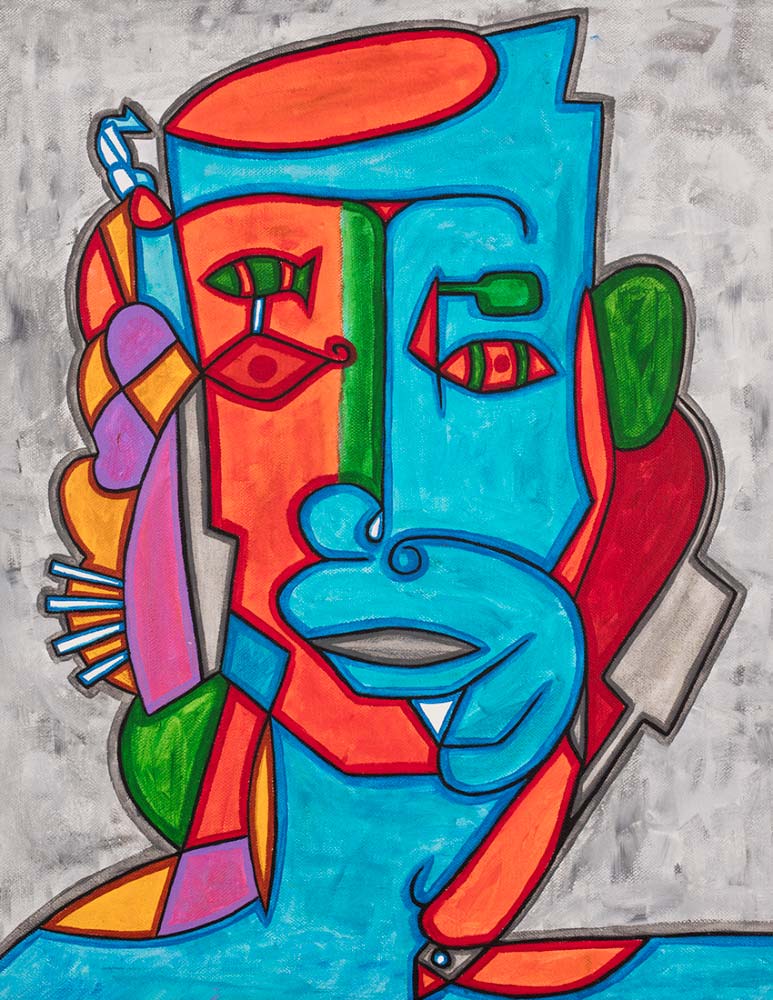
This gallery presents a selection of the modern paintings David J. Brooks created during the final phase of his artistic life. The works combine fragmented faces, bold outlines, geometric shapes, strong contrasts, and vivid areas of colour.

Although these paintings differ greatly from his earlier work, they remain connected to David’s lifelong interest in people, stories, movement, and visual expression. Rather than repeating his established style, he explored a new artistic direction and developed a body of work that is immediately recognizable as his own.
Work and Legacy

David J. Brooks’ modern paintings represent a significant late development in his artistic journey. After decades of working with traditional subjects and Eastern Woodland influences, he began experimenting with a markedly different visual language during the final years of his life.

Rolf Bouman encouraged David to continue exploring this new direction and supported the creation of the works. The resulting paintings expanded David’s artistic legacy and demonstrated his willingness to move beyond an established style, take creative risks, and continue developing as an artist.

Friends United preserves and presents examples from both phases of his work. Together, the traditional and modern paintings show the breadth of David’s practice and the changes that took place across his artistic life.

Explore the traditional Mi’kmaq and Woodland-influenced paintings that formed the earlier and longer part of David J. Brooks’ artistic practice.

David J. Brooks’ artistic legacy also continues through his daughter, Chelsea Brooks, who has developed her own artistic practice. Her Friends United artist page presents her work and adds another dimension to the Brooks family’s artistic story.

Explore More Artists…